
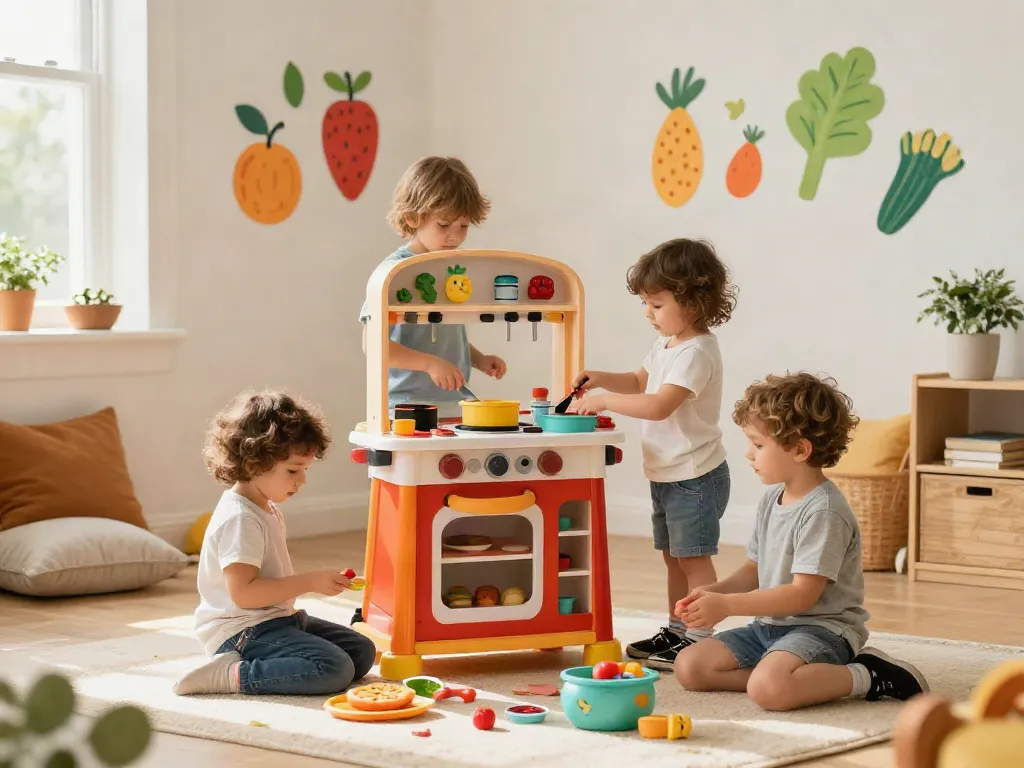
Understanding the Benefits of a Play Kitchen
When it comes to nurturing a child's potential, few toys can match the versatility and educational value of a play kitchen. These miniature cooking spaces invite children into a world of pretend play, where they can emulate the adult activities they observe around them. Far beyond just a plaything, a play kitchen serves as an essential tool for holistic development, fostering creativity, social skills, and cognitive growth. This article delves into the significant benefits of play kitchens, equipping you with the insights needed to make informed decisions for your child's playtime.
Why Play Kitchens Are Essential for Child Development
Play kitchens are not merely toys; they are critical instruments for child development. Engaging in role play allows children to understand everyday tasks and responsibilities. As they mimic cooking and serving meals, they enhance their fine motor skills through actions such as stirring, chopping, and arranging food items. Studies suggest that role-playing scenarios, especially those involving daily life, can significantly improve problem-solving abilities and critical thinking skills in young children.
Enhancing Imagination and Creativity Through Role Play
Imaginative play is essential in helping children express themselves and develop their creative thinking. A play kitchen provides an open-ended environment where children can concoct stories, invent recipes, and even host imaginary dinner parties. By experimenting with different scenarios—from turning a pizza night into a bustling restaurant—it encourages children to think outside the box, enhancing their ability to innovate and create.
Social Skills Development in Cooperative Cooking Activities
Social interactions blossom within the realm of play kitchens. When children engage in cooperative cooking activities, they practice communication, negotiation, and sharing. Whether they’re deciding on a menu or taking turns at the stove, these experiences teach essential social skills that aid in establishing friendships and understanding teamwork. Additionally, children learn empathy as they serve pretend meals to their peers, simulating real-world social interactions and responsibilities.
Selecting the Right Play Kitchen for Your Child
Choosing the perfect play kitchen for your child can feel overwhelming given the vast array of options available. However, knowing which features are essential can simplify the decision-making process. Consider factors such as size, materials, and included accessories to ensure you select a model that aligns with your child's needs and your space.
Key Features to Look for in a Quality Play Kitchen
- Durability: Look for strong materials such as solid wood or high-quality plastic that can withstand rigorous play.
- Size: Ensure the kitchen fits within your designated play area while still being appropriately scaled for your child.
- Interactive Features: Many modern kitchens come equipped with sounds, lights, and movable parts that enhance the play experience.
- Realistic Accessories: A good set will include pots, pans, utensils, and food items to enrich pretend play scenarios.
Top Brands and Models for 2026
The market for play kitchens continues to evolve, offering exciting new features and designs. Brands like KidKraft, Melissa & Doug, and Step2 consistently receive high ratings for their innovative and functional kitchen sets. KidKraft’s modern wooden designs often incorporate open shelving and creative storage solutions, whereas Step2 features outdoor-friendly kitchens that encourage diverse play. As you decide, consider your child’s preferences and the types of play they enjoy to find a kitchen that matches their style.
Budget Considerations and Where to Buy
Play kitchens can range from affordable options to high-end models, so it’s essential to set a budget before shopping. Remember to consider the long-term value of the kitchen; investing in a quality product may lead to years of imaginative play. Major retailers such as Amazon, Argos, and specialised toy shops often provide a range of options across all price points, making it easy to find something that fits your budget.
Play Kitchen Accessories That Enhance the Experience
To maximise your child's play kitchen experience, consider adding a variety of accessories and toys that complement the kitchen. Accessories can elevate the role-play and make the experience more immersive and educational.
Essential Tools and Toys to Pair with a Play Kitchen
- Cooking Utensils: Spoons, spatulas, and whisks can aid in role-playing different cooking techniques.
- Food Play Sets: Adding play food items such as fruits, vegetables, and packaged goods offers realistic cooking and serving experiences.
- Cleaning Supplies: Introducing items like play sponges and brooms can teach children about kitchen etiquette and responsibility.
The Role of Food Items in Pretend Play
Food items are central to the play kitchen experience. They not only stimulate imaginative play but also provide opportunities for learning about nutrition and food groups. Engaging children in discussions about healthy eating while they 'prepare' meals can help them develop a positive relationship with food from an early age.
DIY Accessories for Custom Play Kitchen Experiences
If you're feeling crafty, creating DIY accessories is an excellent way to personalise a play kitchen. Simple projects like homemade food items, personalised aprons, or even custom menus can enhance playtime and stimulate your child’s creativity. These personalized touches help children develop a deeper connection with their play kitchen, reinforcing the importance of creativity and resourcefulness.
Setting Up the Perfect Play Kitchen Environment
Creating an inviting play kitchen environment is crucial for providing a stimulating and safe play area. The way you set up the kitchen can significantly affect how your child engages in imaginative play.
Design Tips for an Inviting Play Space
- Organised Layout: Place the kitchen in an accessible area with enough space for movement and exploration.
- Decorative Touches: Adding colourful play mats or themed wall decals can make the space more appealing and set the scene for engaging play.
- Comfortable Seating: Include small tables and chairs to allow for cooperative play with friends or family.
Safety Considerations for Child-Friendly Spaces
Safety is paramount in any play environment. Ensure that the play kitchen is free from sharp edges and that all accessories are non-toxic and age-appropriate. Regularly check the stability of the kitchen and any attached features to prevent accidents during play.
Integrating Educational Elements into Play
Incorporating educational elements into your child's play kitchen can significantly enrich their learning experience. Consider using playtime to teach basic math skills through counting ingredients or introduce concepts of time and sequencing as they follow a recipe. Making learning fun with practical applications helps children grasp essential concepts in an engaging way.
Future Trends in Play Kitchens for Kids
The future of play kitchens looks bright, with innovations set to transform how children engage with pretend play. As technology advances, the play kitchen landscape is also evolving.
Innovative Features to Expect in 2026 and Beyond
In 2026, we can expect to see play kitchens equipped with augmented reality features that allow children to experience virtual cooking classes. Some manufacturers are also exploring eco-friendly materials, making these kitchens not only fun but also sustainable. Such advancements will further enhance the role of play kitchens as tools for educational growth.
Technology Integration in Pretend Play Environments
Smart technology is gradually making its way into children's toys, including play kitchens. Imagine a kitchen that connects to an app where children can follow interactive recipes or learn about different cuisines from around the world. This integration not only keeps playtime fresh and exciting but also aligns with the digital literacy skills that are essential in today's world.
Parenting Insights: Balancing Fun and Learning
As parents, it’s essential to strike a balance between providing fun opportunities for play while embedding learning. By engaging with your child during their kitchen play, you can guide them through lessons in a natural, enjoyable way. Discussing what they are 'cooking,' helping them with measuring, or simply having conversations about food encourages a deeper understanding of both the world of cooking and educational concepts.
What age should a kid get a play kitchen?
Typically, children around the ages of 2 to 6 are ideal candidates for play kitchens. However, with the right features, even older children can still find value in imaginative cooking play.
How much does a play kitchen cost?
The price of play kitchens can vary widely depending on the brand, materials, and features, ranging from around £50 to over £300 for high-end models.
Is it worth getting a play kitchen?
Absolutely! The benefits of imaginative play and developmental skills gained from a play kitchen far outweigh the costs. They promote creativity, social skills, and cognitive development.
Which play kitchen is the best?
The best play kitchen often depends on your child's preferences and your budget. Popular choices among parents include those from KidKraft and Melissa & Doug for their quality and fun features.
What accessories can enhance a play kitchen?
Accessories such as play food, cooking utensils, and cleaning supplies can significantly expand the play experience, making it more immersive and educational.